If you’ve been getting more questions about email authentication lately, there’s a good reason. Google and Yahoo updated their email policies in February 2024, and if your business sends email, it affects you, whether you know it or not.
Here’s what’s changed, why it matters, and what you should do about it.
The problem: scammers impersonating your business
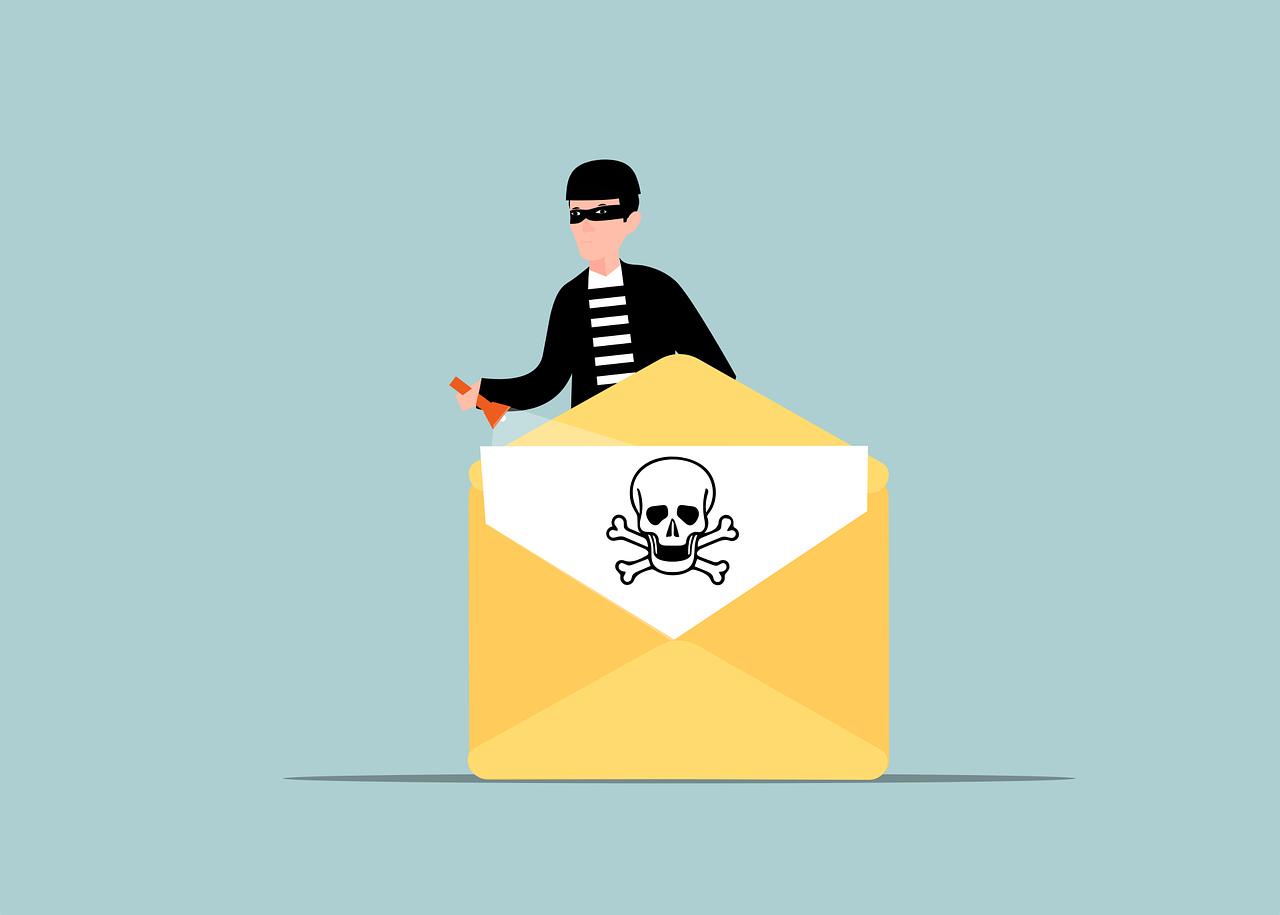
Email spoofing is when a fraudster sends emails that appear to come from your domain. Your customers, suppliers or staff receive what looks like a legitimate message from you, but it’s a scam. They might be asked to click a dodgy link, hand over login details, or transfer money.
It happens more than most business owners realise, and the consequences can be serious: financial loss, damaged relationships, and a reputation that takes a long time to rebuild.
What Google and Yahoo have done about it
From February 2024, both providers started enforcing stricter rules for businesses sending bulk email. If you’re sending more than 5,000 emails a day to Gmail or Yahoo addresses, you’re now required to have DMARC set up. Even if you send fewer emails, both providers expect SPF and DKIM authentication to be in place.
These aren’t suggestions. Emails that don’t meet the requirements are more likely to be rejected or land in spam.
What SPF, DKIM and DMARC actually mean
Three protocols work together to authenticate your email:
SPF (Sender Policy Framework) tells receiving servers which IP addresses are allowed to send email on behalf of your domain. If an email arrives from somewhere that isn’t on the list, it’s flagged as suspicious.
DKIM (DomainKeys Identified Mail) adds a digital signature to your outgoing email. The receiving server uses this to verify the message hasn’t been tampered with in transit.
DMARC (Domain-based Message Authentication, Reporting and Conformance) ties the two together. It tells receiving servers what to do when an email fails SPF or DKIM checks: deliver it, quarantine it, or reject it outright. It also sends you reports so you can see if anyone is trying to spoof your domain.
Think of SPF and DKIM as the locks on the door. DMARC is the alarm system that tells you if someone’s been trying the handle.
Why this is good news for your business
Getting this set up isn’t just about keeping Google and Yahoo happy. There are real, practical benefits:
- Your legitimate emails are less likely to end up in spam folders
- Scammers find it much harder to impersonate your domain
- You get visibility into who is sending email using your domain name
- It protects your reputation with customers and suppliers
What to do next
If you’re not sure whether SPF, DKIM and DMARC are already set up on your domain, the honest answer is that many small businesses haven’t got round to it. It’s not complicated to fix, but it does require access to your domain’s DNS settings and a bit of know-how to configure correctly.
If you’d like us to check your email authentication setup and get it sorted, just get in touch. It’s one of those things that’s easy to overlook and genuinely worth doing.