Passwords alone are not enough. If a staff member reuses a weak password across multiple accounts, or falls for a phishing email, an attacker can be inside your systems within minutes. Two-factor authentication (2FA) adds a second check that stops most of those attacks dead.
It takes about 30 seconds to set up and could save your business thousands. Here’s what you need to know.
What is Two-Factor Authentication?
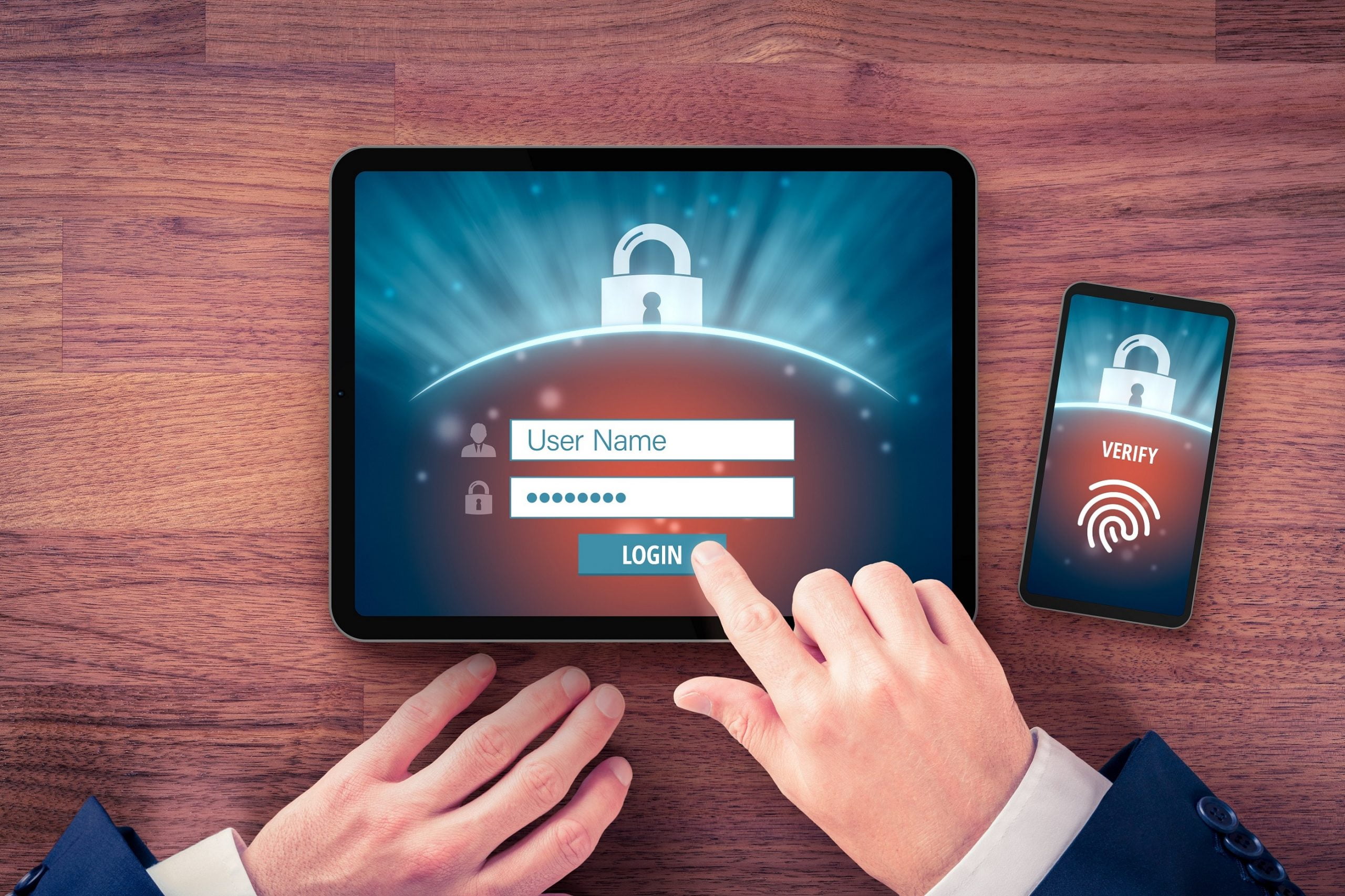
When you log in with just a password, that’s one factor: something you know. Two-factor authentication adds a second factor on top of that, typically something you have (a phone) or something you are (a fingerprint).
In practice, this usually means entering your password as normal and then approving a prompt on your phone, or entering a short code generated by an app. Even if someone steals your password, they still can’t get in without that second step.
Why Does It Matter?
The vast majority of account breaches involve compromised passwords. Microsoft reports that 2FA blocks over 99.9% of automated account attacks. That’s not a small improvement. It’s the difference between being a soft target and being largely invisible to the bots and criminals running credential-stuffing attacks.
For a small business, a single compromised email account can mean:
- Fraudulent invoices sent to your clients
- Sensitive data stolen or leaked
- Business email compromise leading to financial loss
- Reputational damage that’s hard to recover from
2FA makes all of that significantly harder to pull off.
Which Accounts Should Be Protected?
The short answer: everything that supports it. Start with the accounts that would cause the most damage if compromised:
- Email (Microsoft 365, Google Workspace)
- Cloud storage (OneDrive, SharePoint, Dropbox)
- Accounting software (Xero, QuickBooks, Sage)
- Your domain registrar and website hosting
- Remote access tools and VPNs
- Social media and marketing accounts
- Any system holding customer or financial data
If a service doesn’t support 2FA, that’s worth noting. It may be a reason to look for an alternative provider.
What App Should You Use?
Avoid SMS-based 2FA where possible. Text message codes can be intercepted through SIM-swapping attacks. An authenticator app is far more secure.
For Microsoft 365 accounts, use the Microsoft Authenticator app, which integrates cleanly and supports one-tap approvals. For everything else, Authy is a solid choice: it works across multiple devices and lets you back up your codes, which means you won’t be locked out if you lose your phone.
Both apps are free and available on iOS and Android.
What About Staff?
This is where many small businesses fall short. You might have 2FA set up on your own accounts, but if your staff don’t, the business is still exposed. One phished employee account is often all it takes.
If you use Microsoft 365, you can enforce 2FA across the whole organisation through Conditional Access policies, so it’s not left up to individuals to opt in. That’s the approach we’d recommend for any business with more than a handful of staff.
Not Sure Where to Start?
We help businesses across West Yorkshire get 2FA rolled out properly, covering all the key accounts, setting up the right policies, and making sure staff know what to do without it becoming a nuisance to their working day.
If you’d like a hand getting this sorted, get in touch with our team and we’ll walk you through it.